
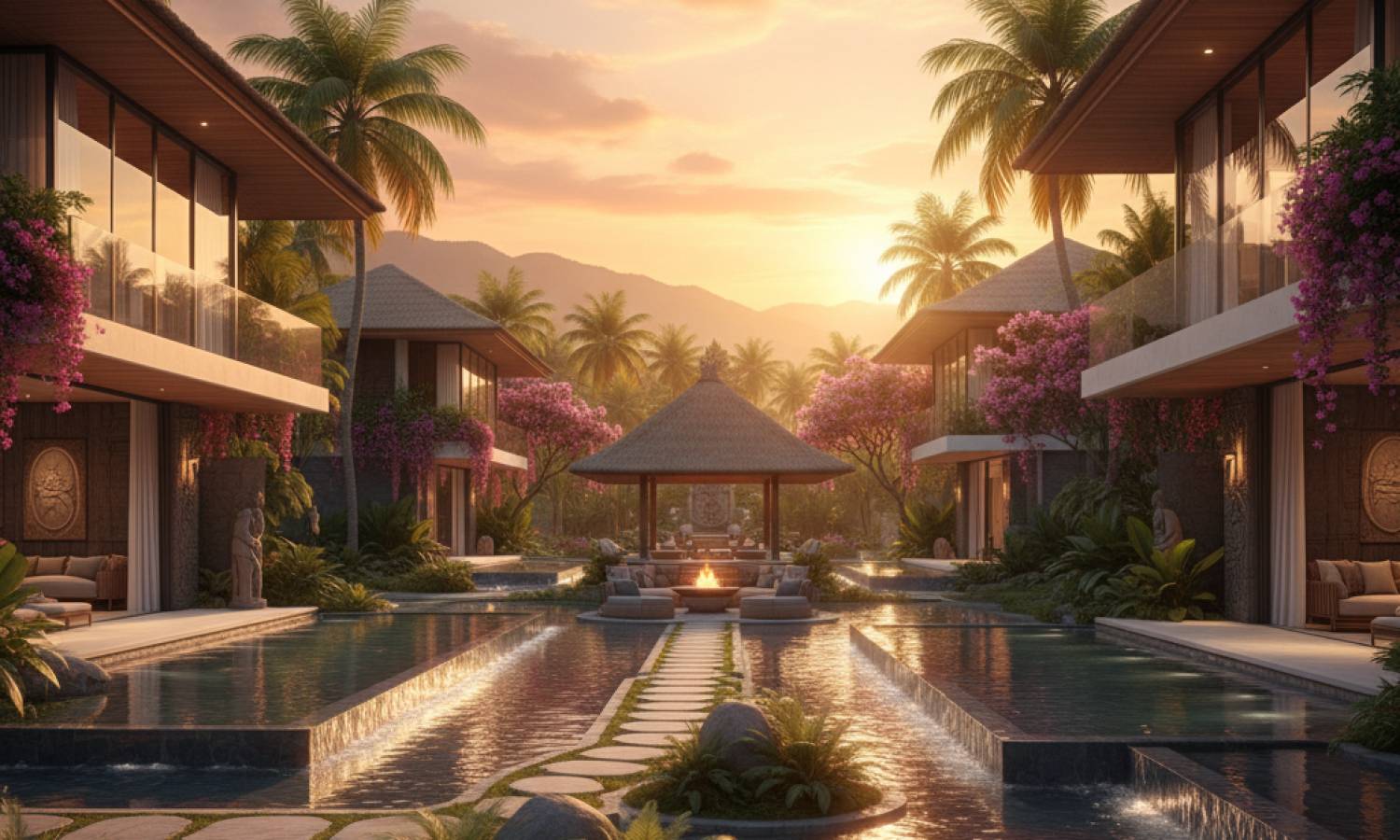
Bali’s Evolving Soul: What Changing Beliefs Mean for Newcomers and Investors

Buying land in Bali? Grasp how Bali's rhythm differs from elsewhere - reincarnation sits at its heart. This island doesn’t treat rebirth as an old myth; it breathes it daily. People grow up within a belief called samsara, where lives link through time like threads. Families tie themselves to one another because they believe each ending leads to beginning again. Still, that old idea hides a change happening behind the scenes. You might be thinking of moving, putting money somewhere, or living on Bali later. What happens next matters more than before.
Families in Bali believe babies hold souls of ancestors, not random spirits. These little ones arrive like flowing water - the Balinese name this idea yeh, meaning what descends from above. From a higher level, these beings return, carried forward through kinship lines. Because of this view, life together feels rooted in memory, care, and shared duty. Rituals, rules about land, who speaks where - all tie back to who came before. So continuity isn’t just tradition - it’s how they see presence itself.
Families finding homes, or folks planning years ahead in Bali, notice how old roots shape life - like quiet rhythms in village events that tie neighbors close. Places such as Ubud stand out, where tradition runs deep and blending in means more than just living nearby. Homes built among trees there cost roughly IDR 4 billion - a price tag that echoes respect, not luxury alone. Coming into a new place means meeting its rhythms. Homes can cost around two hundred seventy thousand dollars. People joining communities may find traditions tied to ancestor practices. Respectful involvement in daily habits often fits within cultural patterns.
Still, things are shifting. After Indonesia became independent, alongside rising power from groups such as Parisadha Hindu Dharma, a quieter transformation took hold. A version of Hindu faith now leans deeper into ancient texts than before. Instead of focusing only on actions’ consequences, people begin valuing proper living itself. Terms like Moksa enter daily talk - the idea of release from endless birth. That changing worldview quietly reshapes memory of ancestors. They are no longer just familiar spirits coming back. Some see them moving forward, headed toward awakening.
So here’s how it lands for someone looking to buy or invest - real-world effects show up in culture shifting, also bringing chances along. Today’s Balinese community holds on to roots while weaving in fresh thinking, mixing old customs with modern living, particularly across urban centers such as Canggu and Seminyak. Out in those regions, you find digital nomads along with expats who want more than just modern amenities - they look for active neighborhoods too, plus solid local systems. For homes, prices sit between IDR 3 billion and well past IDR 15 billion (around USD 200,000 up into USD 1 million plus).
It's worth noticing how deeper cultural changes ripple through daily life - from how neighborhoods evolve to who rises in local authority. These patterns occasionally touch real estate work, shaping occupancy patterns or deal-making on site. Seeing beyond surface-level norms makes clear what local expectations really are. Clearer understanding avoids confusion, strengthening relationships with nearby households and groundskeepers, especially vital when overseeing distant properties.
Should incoming residents overlook core cultural elements, gaps might form over time. When unfamiliarity leads to distance, trust can slip quietly away. A way forward emerges through collaboration - linking with area representatives who make cultural adaptation part of their routine. Clear dialogue stands as essential, especially when navigating unspoken norms. Peaceful coexistence ties closely to how spaces are shaped and shared day by day. Numbers shift subtly; annual returns from prime Bali properties tend to hover near 6 percent to just over ten percent.
Bali isn’t about real estate numbers. It pulses with belief, close kinships, quiet ceremonies - where old patterns never truly vanish. Getting inside this flow adds depth, quietly shifting how you see streets, homes, temples.
Practical takeaways for buyers and investors
- Picture this - if home is where the heart stays, spots such as Ubud draw on deep roots, not just tourist charm. Ancestral life still shapes daily rhythms there. For families chasing more than sunsets, IDR 4 billion - roughly USD 270k - can open doors to meaningful homes, real ones, not gilded shells.
- Digital nomads and investors aiming at high-end locations such as Canggu need awareness of varied community patterns influenced by old customs alongside contemporary habits. Renting out villas here typically brings returns between 6% and 10%, yet success often depends on understanding local traditions to maintain harmonious oversight.
- Every time, toss in cultural due diligence right next to legal and money matters - grasp how people view ancestry and life after death, then handshake moments over land get smoother, property stays steady.
- Local agents help - they speak bahasa Indonesia well, plus understand Balinese traditions, making it easier to buy and settle in.
What makes Bali’s market tick isn’t just buying or selling - it’s staying rooted in its rhythm. As the island shifts gently, those who enter aren’t merely investing - they step into an old rhythm reawakened through fresh purpose. Each move forward carries weight from where it began, shaped by deep regard for what came before.