Why AI Is the New Key to Sustainable Bali Property and Tourism Growth

Beauty thrives in Bali, where mountains meet coastlines marked by vibrant traditions. Yet behind lush landscapes, urban growth pushes forward with speed and ambition. Roads fill with vehicles, forests thin under demand, clean water grows scarce, and ancient rhythms weaken from constant change. People wonder - not just travelers passing through, but those living here long term - if balance can still be maintained. Then comes an unexpected shift: smart algorithms begin helping manage crowds, conserve energy, track waste patterns, even suggest quieter development paths. Machines once tied to gadgets now quietly shape how the island might survive.
Something different now: more people see AI not only as a way to speed things up or automate ads, yet as a way to guard Bali's nature and traditions. The island has strict boundaries - called carrying capacities - on how numerous travelers, cars, or constructions it may handle without breaking down. When used carefully, artificial intelligence networks might forecast such limits moment by moment, guiding decision makers and entrepreneurs away from expensive mistakes by pushing too far.
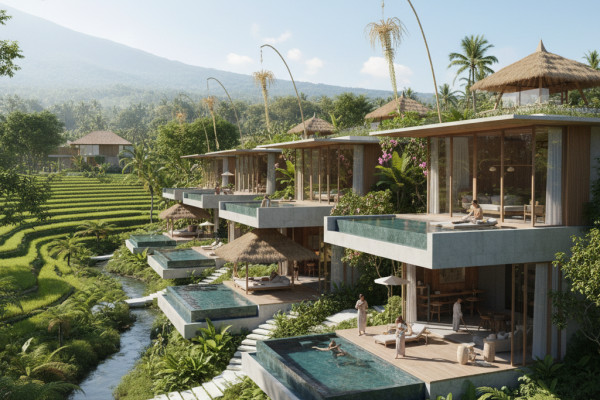
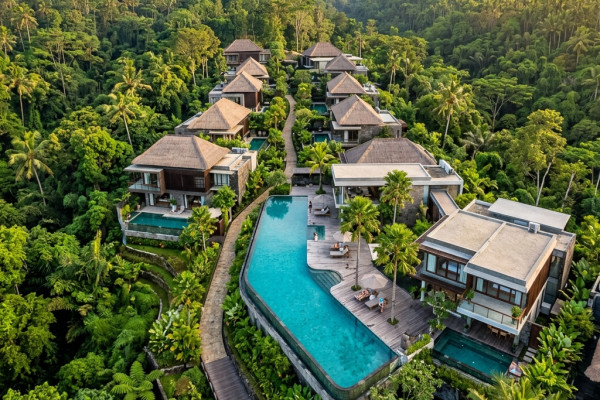
Nowhere is this shift felt more than by those looking to purchase or invest in properties. Not long ago, places such as Seminyak, Canggu, and Ubud drew strong interest due to Bali’s role as both a tourist destination and personal retreat. Market rates there typically fall between two hundred fifty thousand and five hundred thousand U.S. dollars for a residential unit. Depending on location, that amount could secure either a modest, two-room rented property near rural borders - around 250,000 dollars - or open the door to larger, owned homes with swimming pools near coastal towns like Sanur or Nusa Dua, especially when funds exceed half a million.
Still, rapid expansion puts pressure on resources, threatening stability. Overbuilt conditions weaken systems, affecting returns on investment along with rental income. Even in top locations, where yearly rates range from six to eight percent, drops happen when space gets tight or services fail. Smart algorithms could adjust how crowds move, track nature's load, while guiding land-use choices with clarity. Take coastal spots or heritage sites - AI might cap entries or stays to guard lasting worth.
What matters most is knowing what each word stands for. Ownership that's truly yours? That’s called “freehold” or hak milik, though it hardly ever belongs to outsiders, including foreigners - it tends to stick with locals or get bought through proxy setups, which can lead to serious legal trouble. On the flip side, “leasehold” or hak sewa describes a deal where someone else holds the right to the property forever, typically locked in for two and a half to three decades, maybe stretched further down the line. Some outsiders pick leasehold for villas in busy Bali spots - it mixes low initial paymen with clear rules later.
From smarter traffic systems to tackling Bali’s famous gridlock, artificial intelligence now helps shape how cities grow. Using space-based sensors, teams track changes in soil and sea conditions across coastal zones. Clearer rules about building permits cut out favoritism, shortening approval waits that once frustrated foreign workers. Places like tourist hubs feel these shifts strongly, drawing more remote professionals who value reliable internet and safe roads.
Sure, depending on tech comes with downsides. When models or data fall short, decisions based on them might lead policymakers astray - this could mean limiting growth too much, which risks weakening local economies. How fast places adapt their rules around artificial intelligence also differs widely. Still, bringing these tools into use thoughtfully, guided by solid understanding at the ground level, creates the best way forward for lasting economic gains and everyday quality of life.
Practical takeaways for buyers and investors
- Picture a USD 300k leaseholder in Canggu - their returns might hinge on travel rules during busy times, since automated systems could limit crowds, affecting how much they earn each season.
- Right now, families worth over half a million dollars might keep an eye on Sanur or Nusa Dua, where freehold villas stand out when new infrastructure shows clear data-backed direction - this tends to lift daily living ease along with sold-price results later.
- When it comes to rental villas, investors might look more closely at how management firms handle shifting rules shaped by artificial intelligence - staying on track with regulations while tapping into fresh market insights could make a difference.
- Watch how policies shift over time - regularly check in with local officials and neighborhood groups to learn about updates in AI-based zoning or building permits.
What draws people to Bali isn’t just its coastline or temples - it’s how tradition fits alongside today’s energy. Technology here doesn’t erase what makes the place tick; instead, it shields those values carefully. When outsiders arrive, staying ahead often means moving with the land, not over it.