Bali Real Estate 2026: Navigating a Mature Market for Smart Buyers and Investors

Over by the coast, things are slowing down after years of wild growth. Not quite chaos anymore, just steady decisions replacing rush-driven moves. If you’re watching from afar, notice how choices now feel less like reactions, more like planning. This isn’t about feeding hype anymore - it’s about picking solid ground. Expect fewer surprises, more weighing options before acting.
What stands out now is how prices and property value are being judged more honestly. These days, agents don’t open with sky-high numbers just to see what happens. Rather than guessing, they lay out clear rates based on what buyers are actually looking for. Change has shaped how people choose homes. Those built with high-quality materials, thoughtful layouts, plus solid groundwork get attention fast. In contrast, ordinary or poorly constructed villas find few buyers these days.
Nowhere is change more clear than in who lives where. Backpackers once defined rental life here, yet new groups have stepped forward. Families find space, older adults choose comfort, while digital nomads seek calm. Called the "Family Wave," they look beyond shelter - wanting living setups that meet real needs. Proximity matters: schools abroad, medical centers, quiet neighborhoods draw them in.
Even though location still leads the way, it shifts based on what each investor wants. Over at Uluwatu and Bingin, demand runs high - especially among those chasing strong returns or luxury lifestyles - with homes along cliff edges and overlooking the sea drawing interest. Returns between 12% and 17% are possible here, while typical pricing for well-appointed villas with key vistas can begin near IDR 6 billion, roughly USD 400,000. These figures often apply to residential units held either freely or under extended rental arrangements.
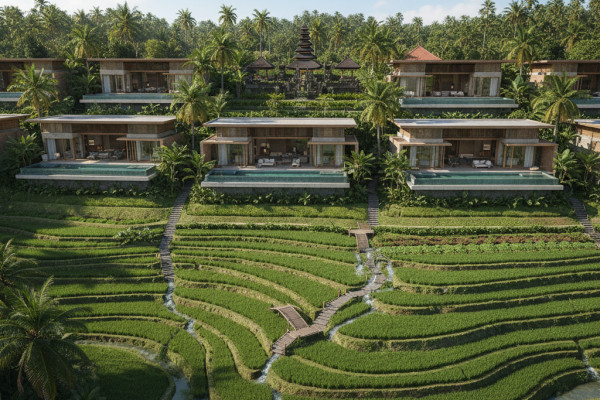
If you want steady living situations, consider Sanur or Ubud. Calm waters and settled systems make Sanur a spot for retirees and families - villas or townhomes here often start around IDR 4 billion, roughly USD 270k. Just beyond Ubud’s center, new areas emerge - close to spas and heritage sites yet free from heavy traffic, appealing to those who value calm and measured growth.
Out in places such as Pererenan, along with the northern parts of Bali, chances for expansion still exist - particularly among those looking ahead ten years or more. Because costs here sit below average ranges - beginning at around IDR 2 billion (USD 135k) for land lots or rented villas - entry becomes somewhat easier. Yet progress may lag behind hotter zones; growth might not leap forward right away. On top of that, how quickly roads, water, and services improve holds real weight.
Out in Canggu and Seminyak, where things always seem to be moving fast, location still shapes how much money you can make from renting out a place. Distance from loud nightlife zones matters - units just a short walk away often stay full, pulling in renters like remote workers and travelers looking for comfort. Sizes differ a lot here; if you find a solid mid-level villa for about IDR 5 billion (around USD 340k), strong rental income becomes possible, provided the spot feels right and the property holds up.
Start by choosing what's worth it. On Bali, heavy wet seasons test buildings - so strong materials matter most. Roofs built right keep water out when rains flood streets. Wire setups that handle modern demands stay online without surprises. Spaces meant for real life - not just photos - make space breathe. Accessible tanks mean fixes happen faster, fewer guests grumble.
Starting fresh in 2026, money matters for Bali's property buyers need a rethink. Around 10% to 12% usually shows what you can earn each year through rent, helped by tight land supply in top spots. Growth also gets a boost from upgrades such as the Gilimanuk-Mengwi Toll Road linking coasts, which quietly strengthens access and trust among investors.
Still seeing shifts in how things are owned. Instead of going around rules, overseas investors now look into clear lease deals or PMA setups when freehold land isn’t allowed. These paths bring stability and high-end options within legal boundaries. Lately, shared ownership models have joined the scene, making entry possible with less initial funding. Even there, checking the builder thoroughly stays non-negotiable.
Buying a home from plans can cost less, might grow in value - if the builder has solid past work. On the flip side, finished houses ready to live in bring steady rent fast, which helps people wanting everything just right without delays.
When you grasp how Bali flows each day - say, when silence rules during Nyepi, or bursts into joy at Galungan - it quietly shapes where rentals work best, ensuring steady housing while honoring tradition.
Practical takeaways for buyers and investors
- When aiming at Canggu, shape your investment plan - factor in noise control expenses along with rent reset challenges, particularly around party areas.
- For those spending over 400 thousand dollars to enjoy top ocean views, places like Uluwatu can deliver strong returns - yet require careful timing and exact spot choice.
- Families and retirees aiming for stability might consider Sanur or southern Ubud - here, options feel more affordable at first glance, while steady demand keeps things running smoothly.
- A fresh idea? Mix rentals - short stays when tourists come, but longer ones during low season for remote workers staying longer. This shift could fill rooms more often than before.
In 2026, Bali's real estate scene asks something different from those who want to invest here. Not speed, but care shapes success now. Think not racing after fast returns instead choose depth and time. This place still draws people because living here matters just as much as money moves.