Lunar New Year in Bali 2026: A Seasonal Boost for Property Buyers and Investors

Festivities light up Nusa Dua as Fire Horse Year begins, yet beneath cheers and dragon dances lies a quieter shift - interest in Bali land keeps growing. Through night markets swirling by Canggu clubs, potential owners move through crowds unaware of changing tides in real estate trends. Local rhythms pulse strong during Chinese New Year; they shape how people see opportunity on island soil.
Festivals show how Bali keeps going strong as a place people visit worldwide. During Chinese New Year, guest numbers rise in small but noticeable ways - especially in spots like Seminyak, Canggu, Ubud, Jimbaran, and Nusa Dua. These regions mix daily life with chance, drawing many kinds of visitors. Some come for energy and nightlife, others seek calm and good schools or clinics. A few want peace without boredom, while others look at steady income from rentals.
Newcomers need to grasp how Bali handles land rights. Leases, known as hak sewa, commonly last between 25 and 30 years - sometimes longer if extended. Ownership without end, called hak milik, mainly goes to Indonesian citizens. Because of this, foreign purchasers might choose extended rental terms instead. Another route includes setting up legal representatives to hold title on their behalf. Most high-end homes in Bali come under lease, costing roughly USD 250,000 - about IDR 3.8 billion - for basic two-bedroom units in places like Canggu. Larger or more stylish options in sought-after zones, including Seminyak or Ubud, may reach above one million US dollars, near IDR 15 billion.
Folks heading to Chinese New Year spots tend to pick places that have been around for years, which means crowds - often hitting 70 to 85 percent from late January into February. When it comes to timing, those watching closely during peak months may see rental returns outperforming usual expectations, normally sitting between 5 and 7 percent yearly, especially where interest runs hottest.
Families moving often choose places like Sanur or Ubud - they’re peaceful, full of culture, have good global schools nearby. Homes big enough for families can cost about USD 400,000 (around IDR six billion), usually on leasehold land. Nomads working online tend to land in areas such as Canggu or Seminyak, where internet holds up, shared offices exist, and nightlife hums. Yet those spots demand higher paychecks.
During busy times like holidays, more people want to book spaces, which briefly increases expenses. This might lower returns for shorter periods if not included in financial forecasts. For those using leased properties, planning ahead for renewal costs - including paperwork - helps shape smarter future plans.
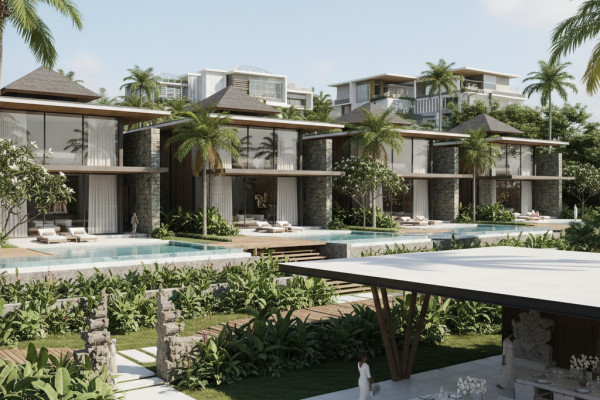
Bali's high-end resorts shine brighter each Chinese New Year, pulling attention toward new trends in luxury living. Not far beneath the surface, investors seem drawn to smart real estate moves - this time around, branded homes and upscale serviced villas. A quiet kind of power lies here: places where someone else handles daily operations. Perfect perhaps for foreign investors daunted by Indonesia’s tangled rules and paperwork maze. Ownership becomes lighter, less hands-on, more streamlined through local expertise guiding behind-the-scenes work.
Still, dangers exist. Too many units in areas such as Canggu may slow how fast prices go up. Poor infrastructure beyond major tourist spots might reduce how easily people reach places or enjoy daily life. Before buying anything, checking developer approvals, rental contracts, and community rules carefully matters a great deal.
Practical takeaways for buyers and investors
- Picture yourself in Canggu, hunting for rent options as a big-spending investor worth 300,000. Start weaving in renewal fees, plus those swings in summer traffic numbers, when dreaming up returns. Reality hits harder when numbers reflect real life.
- When families move here, they might look at places such as Sanur or Ubud - spots near schools but still close to shops and services. Getting around should be part of the picture, not just the address.
- During busy times like Chinese New Year, travelers looking for ease can consider luxury homes or organized vacation rentals in areas such as Nusa Dada or Jimbaran. These places draw crowds from Asia, offering familiar setups where handling details is already done.
- Check those developer permits - IMB and PBG - before moving forward. Get clear on what the leasehold agreement says; it helps avoid surprises later. Talk to local specialists if you need confident advice on what comes next.
Each Chinese New Year, attention turns to Bali - shining a light on its lively traditions and thriving travel scene. From a buyer's first visit to an investor's next move, the moment highlights what makes living here different - a mix of comfort, freedom, and return worth considering. This season sets the stage, quietly shifting how people see opportunities on the island. In 2026, that shift becomes harder to ignore.